Key Takeaways
- Functional fitness uses movements that mirror real daily tasks like standing, reaching, and carrying.
- Chair squats, step-ups, overhead presses, farmer’s walks, and high-knee holds cover the basics.
- Short sessions a few times a week, plus daily walking, add up quickly.
- A sturdy chair, light weights, or even water bottles are enough to begin.
- Community makes staying active more enjoyable and easier to keep up.
Everyday Movements That Keep You Strong
You reach for a mug on the top shelf. You carry a bag of groceries from the car. You push yourself up out of a favorite armchair. Functional fitness trains the exact movements you already make every day. This helps strength, balance, and range of motion show up where you need them. Instead of isolating one muscle, these exercises work several muscle groups together.
October 28th marks National Health and Fitness Day. This month makes it a great time to try incorporating small movements throughout the day. You can invite a loved one, take a walk, and turn the day into a fresh, enjoyable routine.
Why It Matters as You Age
Squats, lifts, reaches, and twists build the kind of strength that supports independence. When your legs alone can lift you from a chair, you move through your home with more confidence and freedom.
Better balance and range of motion are also important. When you have good balance, your footing stays steady on stairs, curbs, and uneven sidewalks helping to reduce the risk of falls and injuries. That helps you stay independent longer and keep doing the things you enjoy.
Five Functional Fitness Exercises to Try
Each of these movements connects to something you do every day. Start slow. Make sure to focus on control and good form.
- Chair squat. Sit toward the front of a sturdy chair. Then stand up without using your hands. After you’ve fully risen, lower back down with control. This is how you get out of bed or up from the dinner table.
- Step-up. Step onto a low, stable step with one foot. Then bring the other foot up before stepping down. This mirrors stairs and curbs.
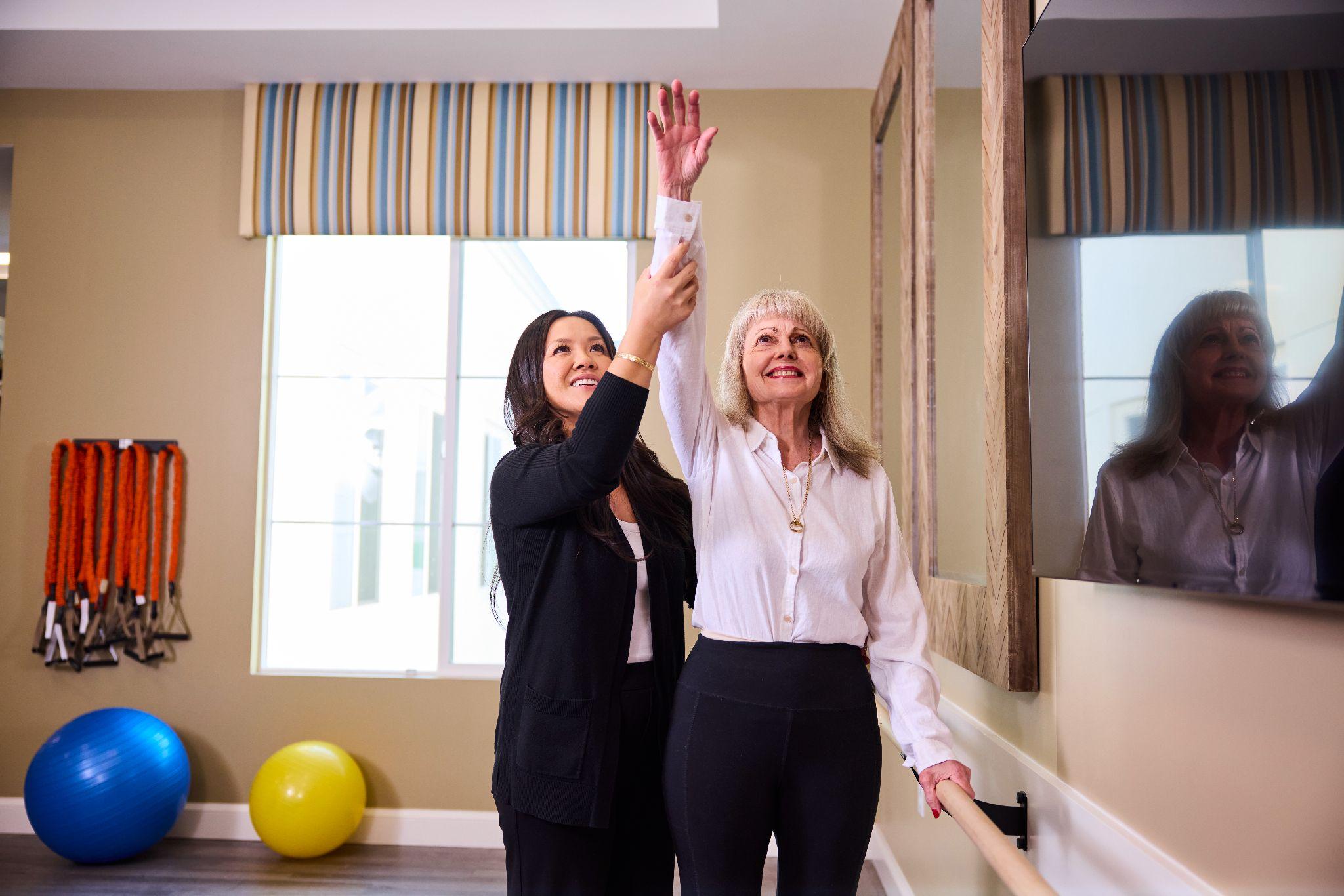
- Overhead press. Hold light weights at shoulder height and press them straight up. That’s how you reach your high shelf, your cabinet, and your closet shelf.
- Farmer’s walk. Carry a weight in each hand and walk a short distance with your shoulders tall. This helps you handle grocery bags and heavier items.
- High-knee balance hold. Lift one knee toward your chest and hold. You can use a chair back or the countertop for support. This kind of balance exercise paves the way for steadier footing.
Simple Equipment Options
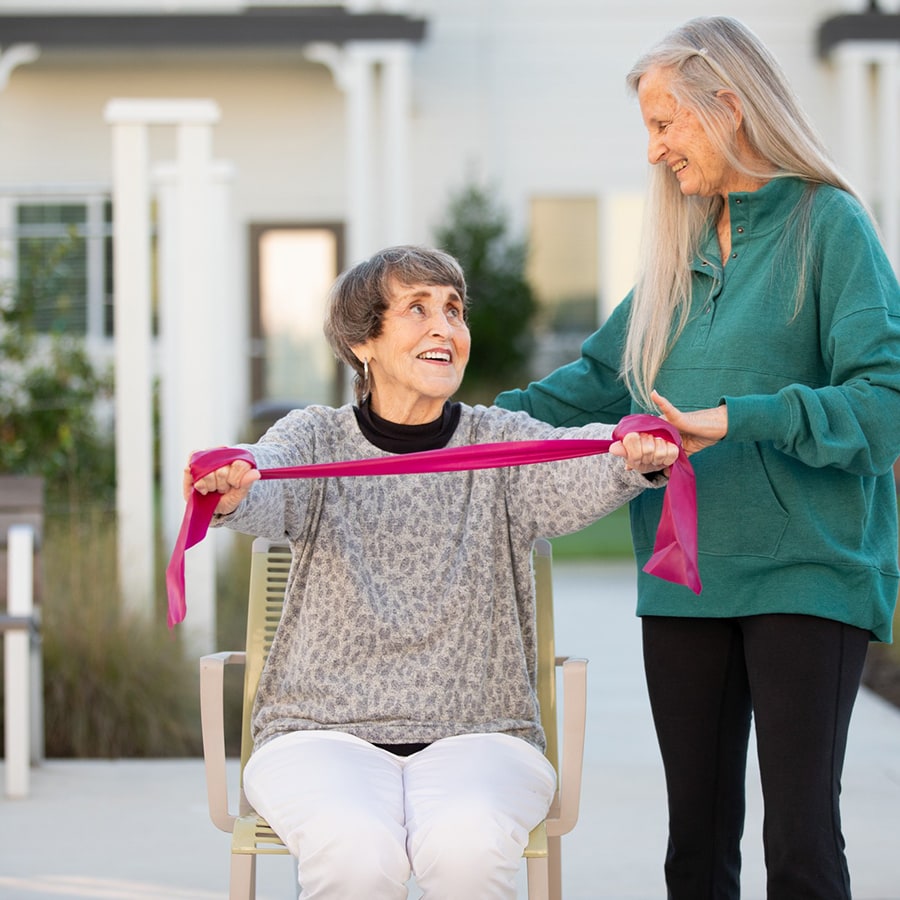
Simple exercise equipment does the trick. Hand weights, resistance bands, and a small ball cover almost everything on this list.
At home, you can fill two water bottles for presses and carries. You can use your bodyweight as well. Chair squats and balance holds need only a flat surface and a sturdy piece of furniture for support.
How to Start Safely and Build Confidence
A good place to begin is with the movement that feels hardest right now. If standing from a chair takes effort, chair squats can give you the quickest payoff in daily comfort.
Keep a sturdy chair nearby for support during balance work and step-ups. Muscles are expected to feel challenged or a little tired afterward.
If you’re feeling sharp pain, stop immediately. Adjust the movement, shorten the range, or lighten the weight before you continue. Before you begin, you may want to read up on exercise tips for seniors to fine-tune your form.
How Often to Move Each Week
Short sessions a few times a week are enough to make a difference. 10 to 15 minutes of focused, consistent movement beats an occasional hour of exercise.
Consider adding daily walking at a comfortable pace. That could be a stroll around the block or along a shaded path. As the movements start to feel like a part of your routine, you can add a few more reps.
How Senior Living Supports an Active Routine
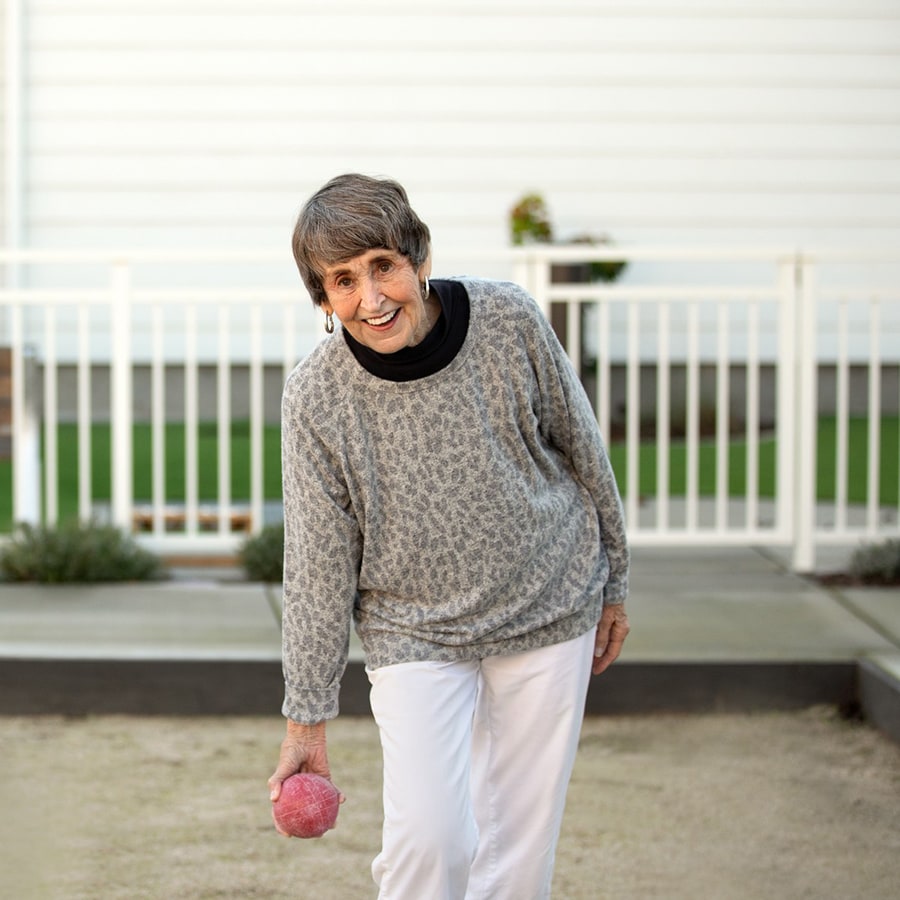
Movement gets easier when it’s shared. Group fitness classes offer scheduled times, friendly instructors, and supportive peers. Meanwhile, the weekly event calendar keeps your options open for different exercises.
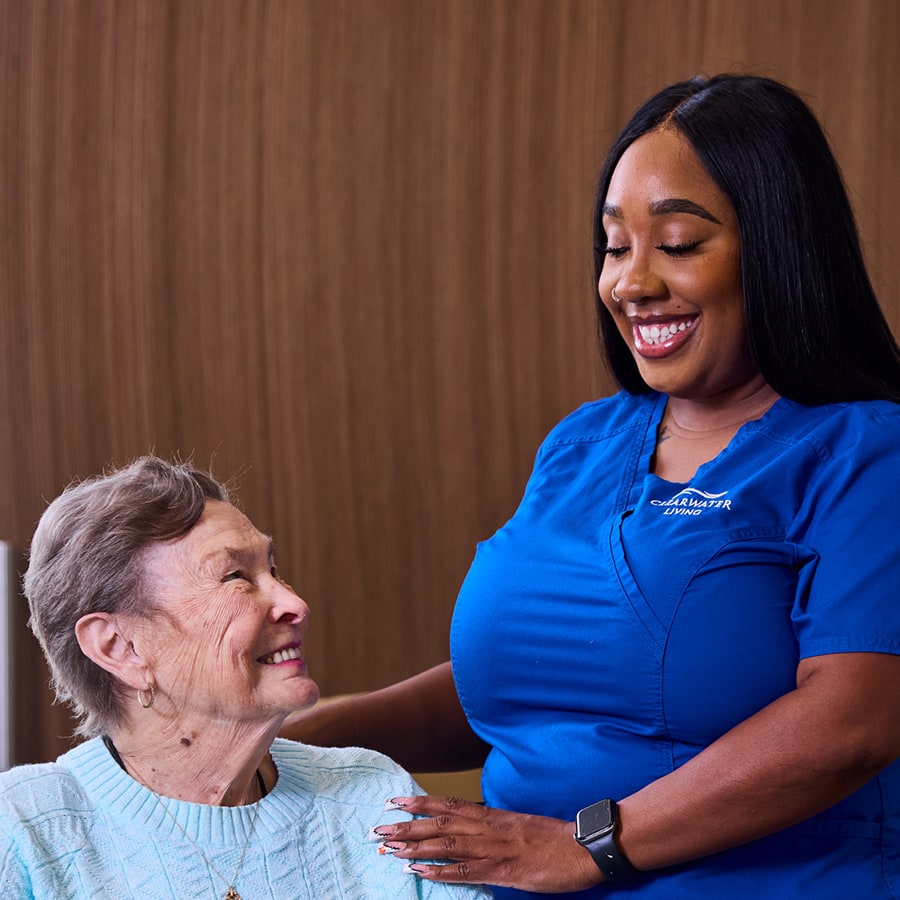
In assisted living, personalized care tailors movement to your abilities and goals. Support is adjusted as your needs change. Memory care follows the same principle with movement and connection. The lifestyle encourages staying active by providing familiar activities that feel purposeful and welcoming.
Wellness Beyond Exercise
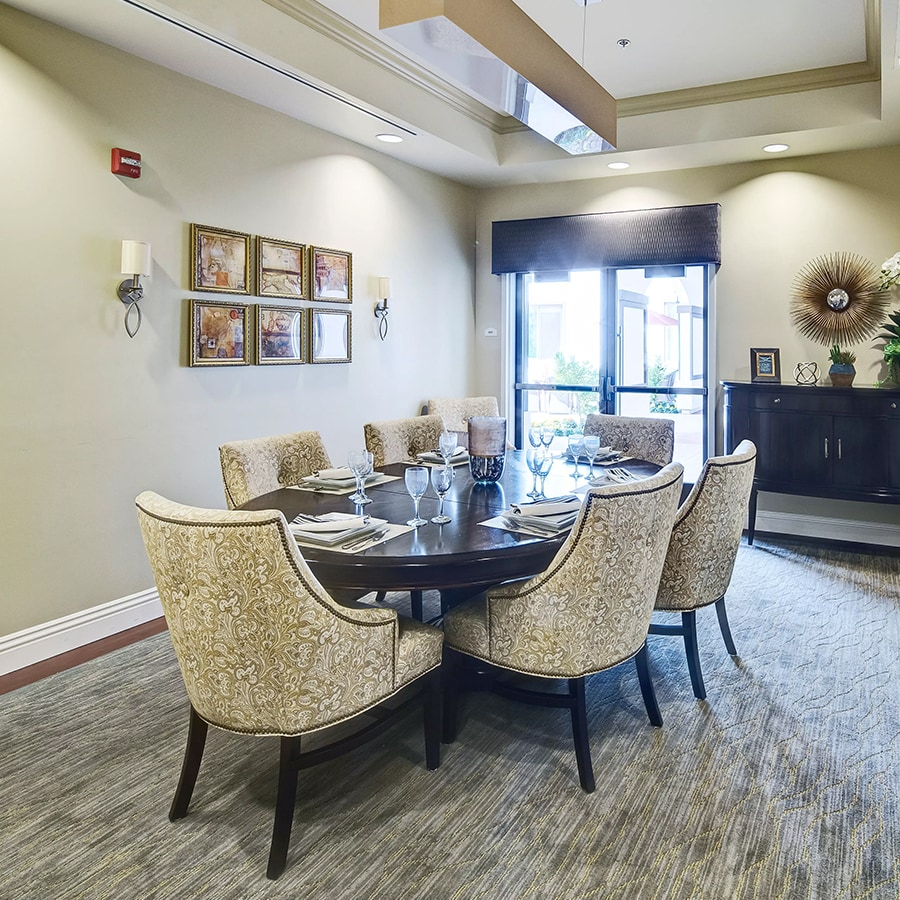
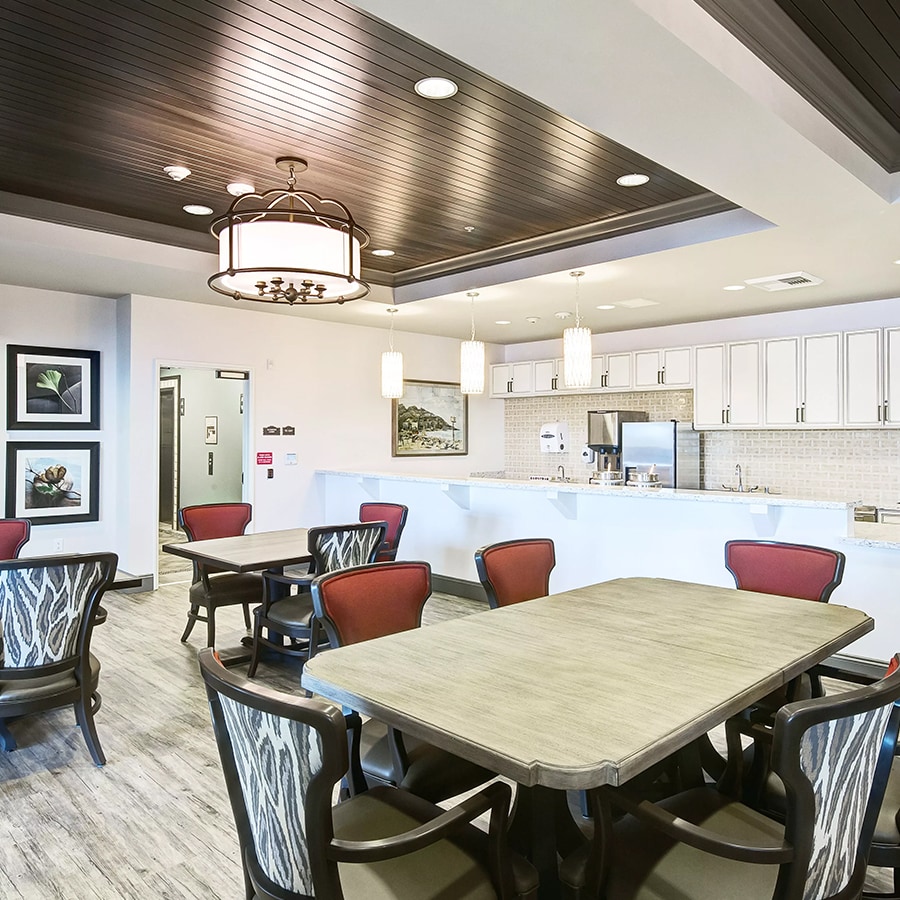
Strength needs fuel. Chef-prepared dining delivers fresh, flavorful meals to support active days. The welcoming setting invites you to socialize over good food and warm conversation.
Movement also happens outside of class. Walking paths, social events, and coastal outings turn activity into something you can look forward to.
Ready to Move Toward a More Active Day
Functional movements mirror real life. And small, steady practice adds up in ways you can feel. A chair squat today can mean an easier morning next month.
At Clearwater at South Bay in Torrance, residents live a vibrant life supported by group classes, thoughtful dining, and compassionate team members. Don’t hesitate, and reach out today to schedule a tour. You can meet our team and see how an active routine can fit your life by the coast.