
Key Takeaways
- Inclusion in senior living means genuine belonging, not just access.
- Thoughtful onboarding and personal touches help new residents feel at home.
- Culturally relevant meals, traditions, and activities honor each person’s identity.
- Team members play a central role in building connection and dignity.
- Knowing what questions to ask on a tour helps you find a truly welcoming community.
What Inclusion in Senior Living Really Looks Like
You’ve probably heard the word “inclusive” used to describe a lot of things. But when it comes to senior living, it’s worth asking what that word actually means day to day. Does it mean ramps and grab bars? Those matter, of course. But real inclusion goes much deeper than physical access.
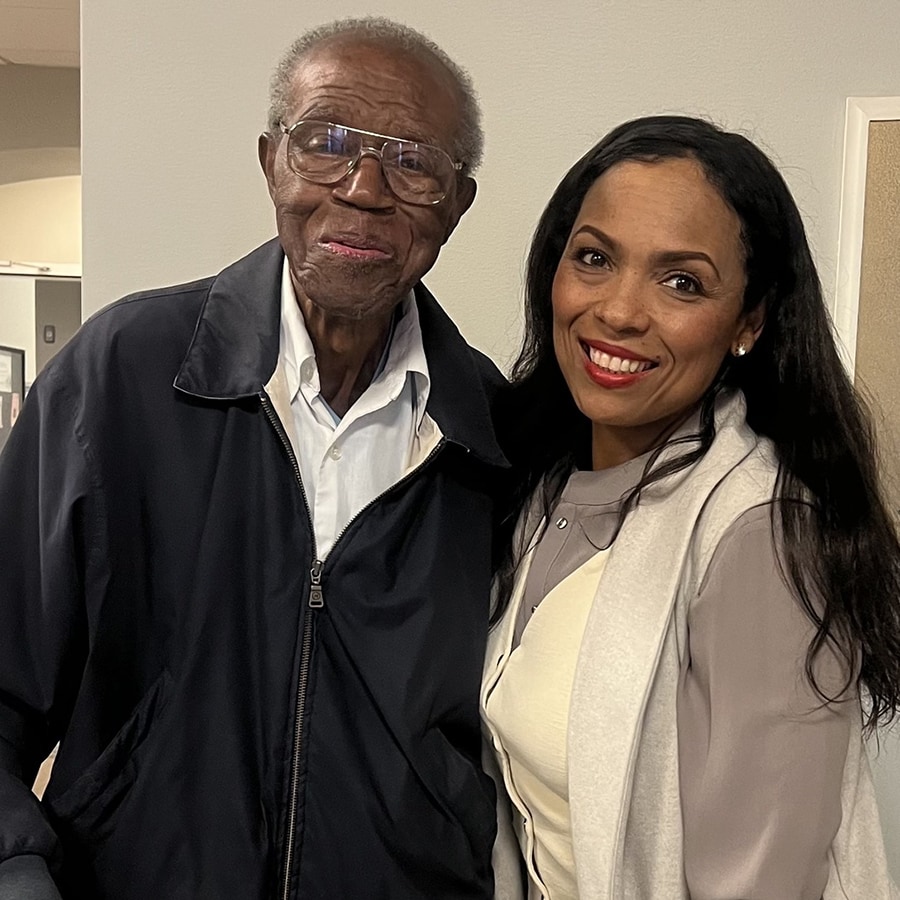
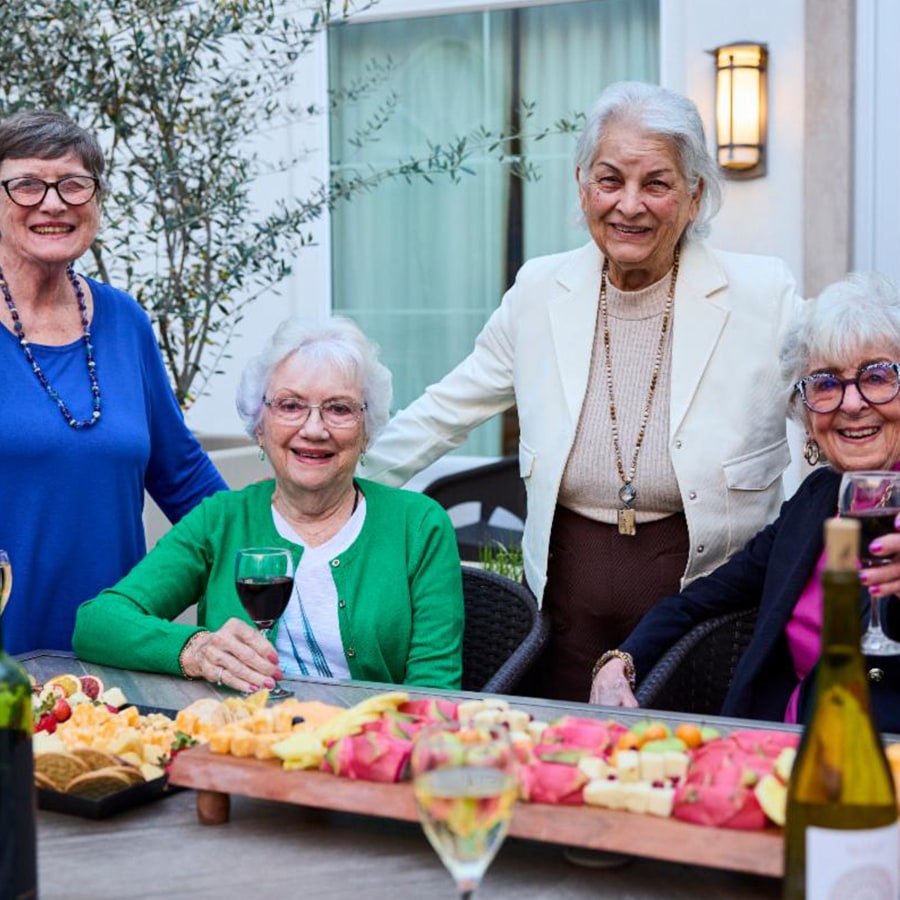
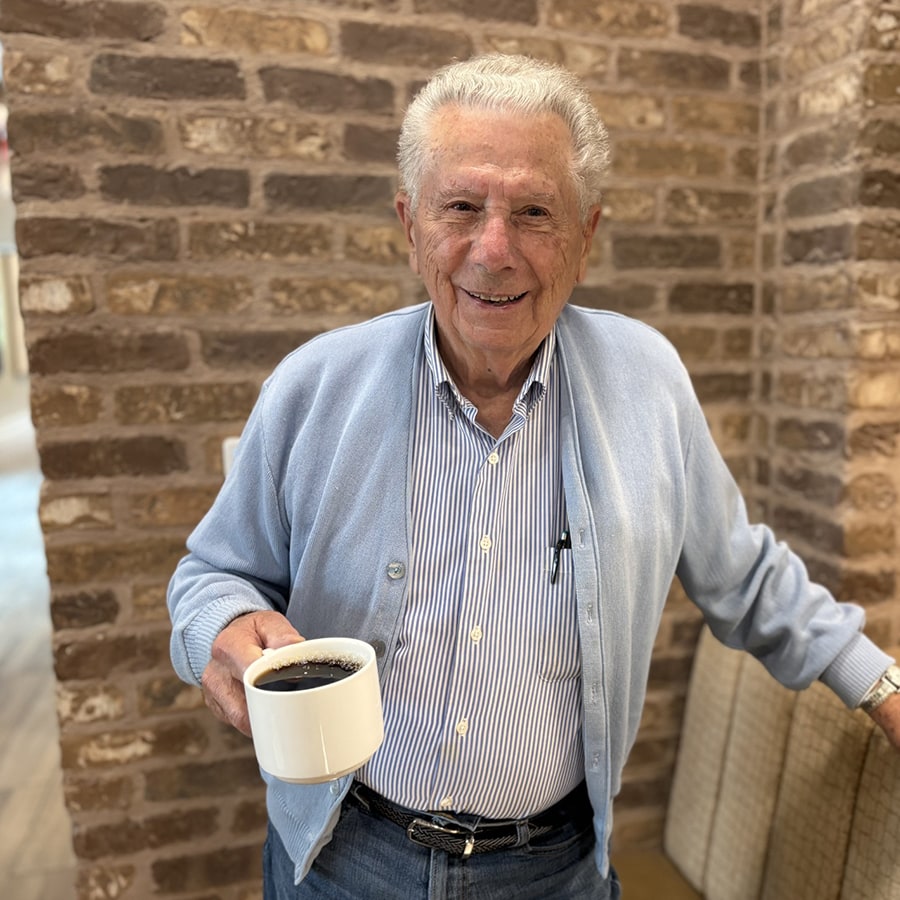
An inclusive senior living community is one where every resident, no matter their background, identity, or ability, feels like they genuinely belong. It shows up in the small moments, a team member remembering how you take your coffee, a celebration that honors your heritage, a space where you can be fully yourself. That’s the kind of environment worth looking for, and it’s exactly what Empowered Living is built around.
How a Welcoming Environment Takes Shape Every Day
Warm Arrivals and Thoughtful Onboarding
Moving into a new home is a big transition. The way a community welcomes you from day one can set the tone for everything that follows. Personal touches matter here, whether that’s a handwritten welcome note, familiar music playing in the hallway, or a team member who already knows your name before you’ve unpacked a single box.
Great communities invest time in learning who you are. That means getting to know your life story, your preferences, and what makes you feel at ease, not just your care needs. That kind of attention turns a new place into a real home much faster than any amenity can.
Spaces Designed for Connection
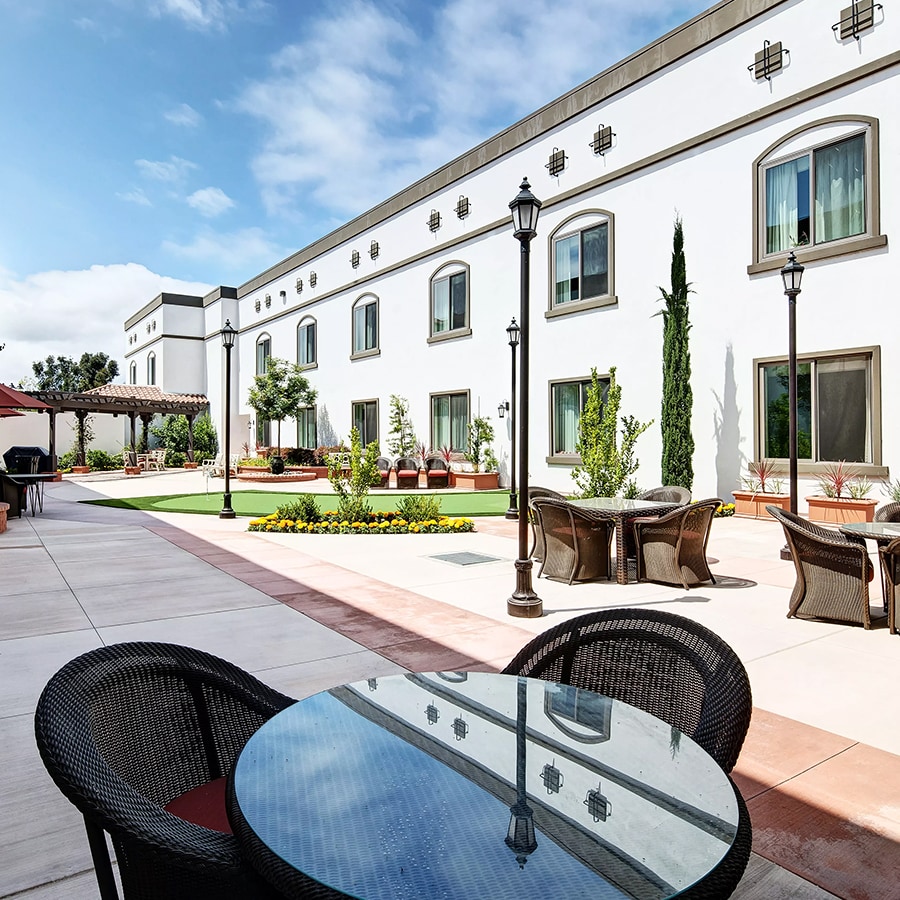
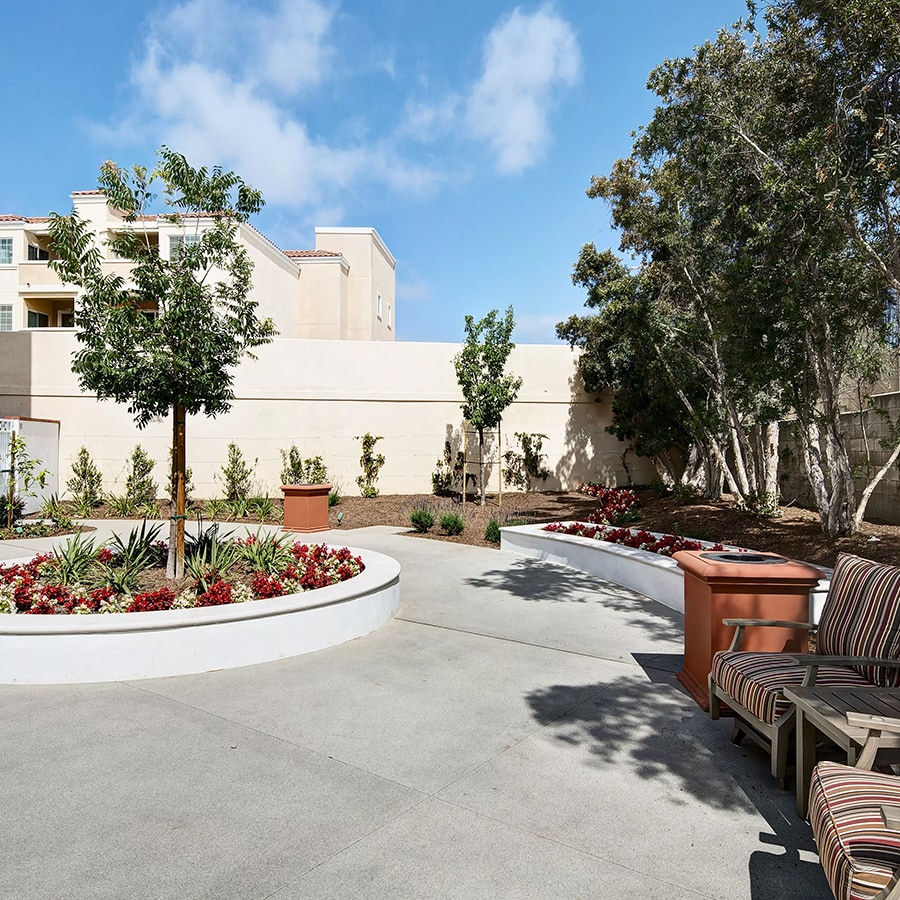
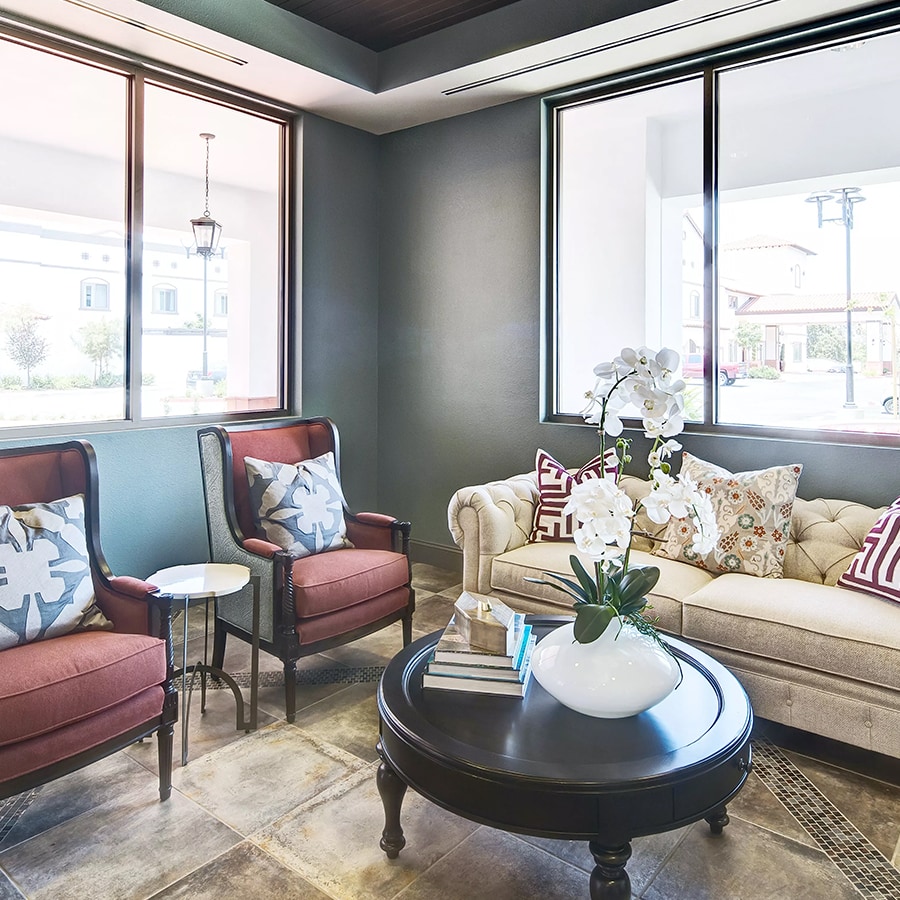
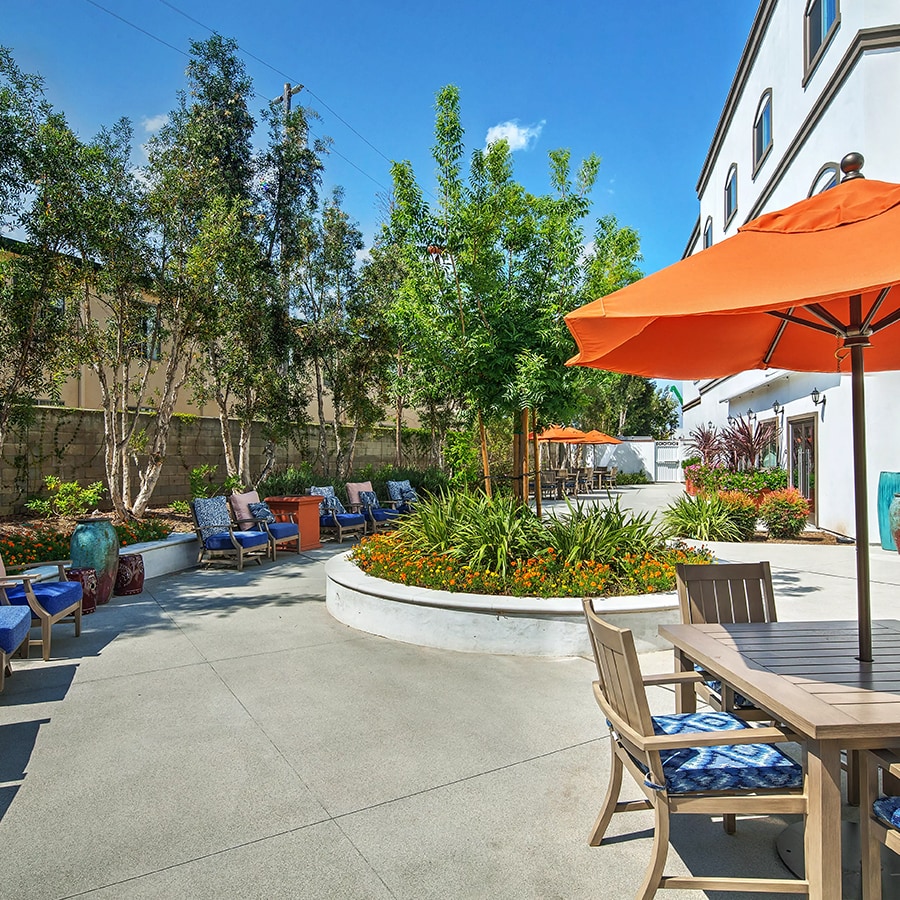
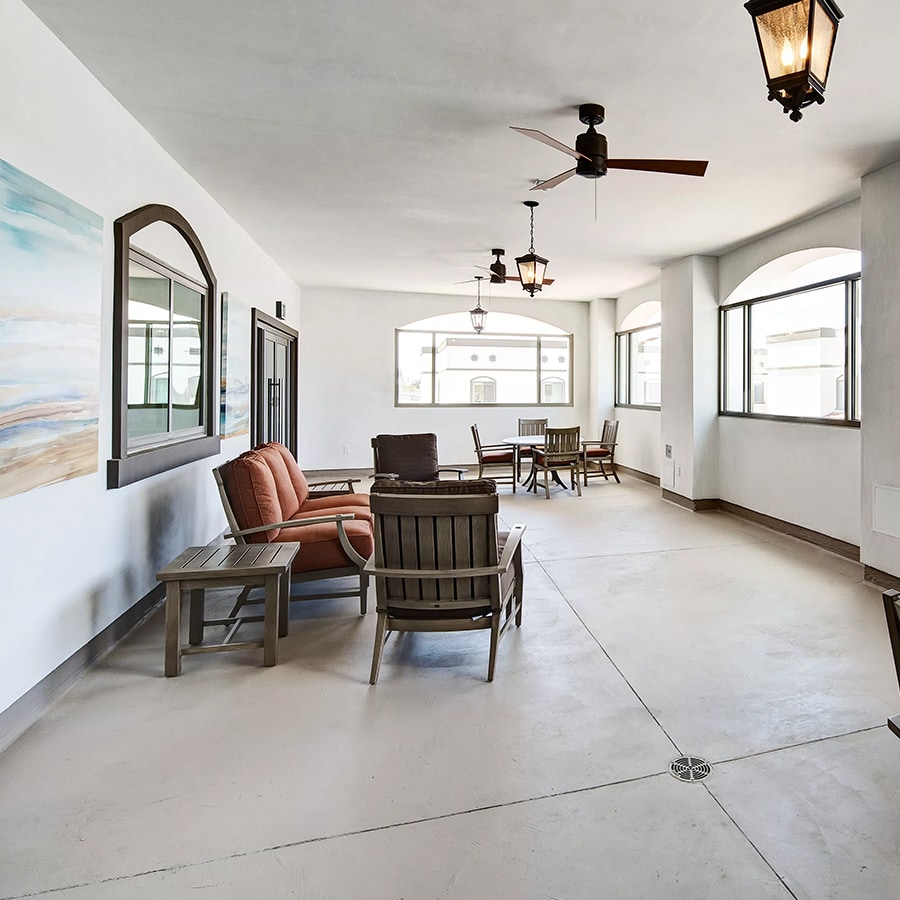
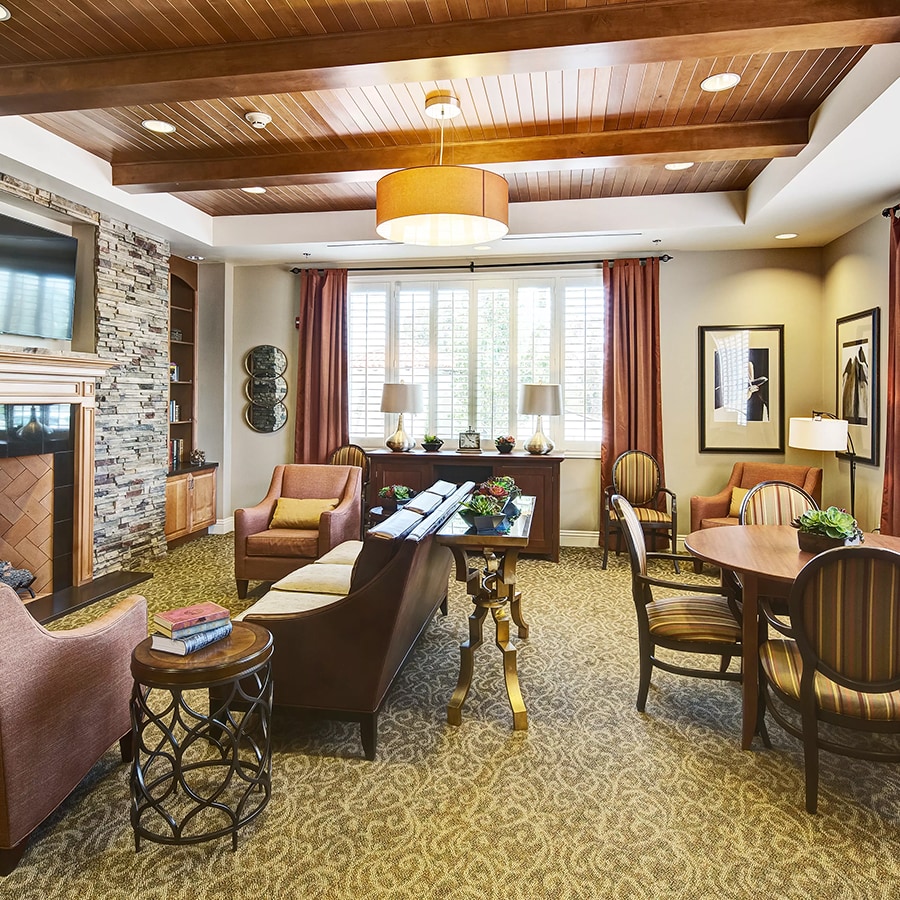
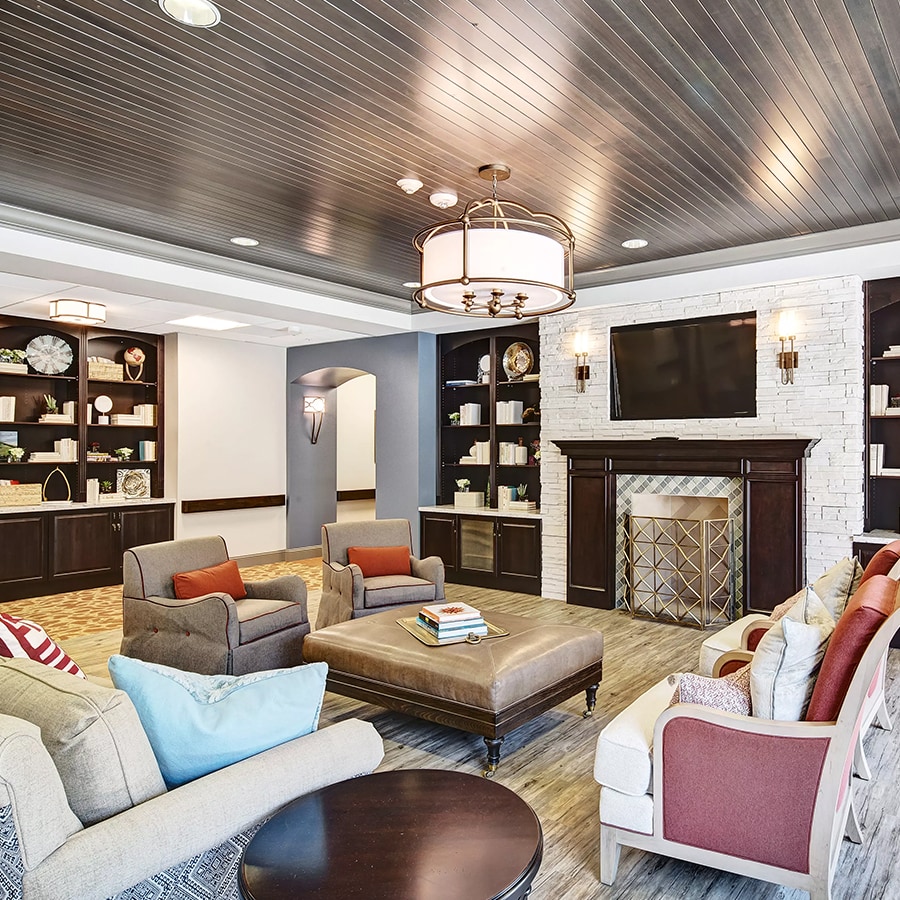
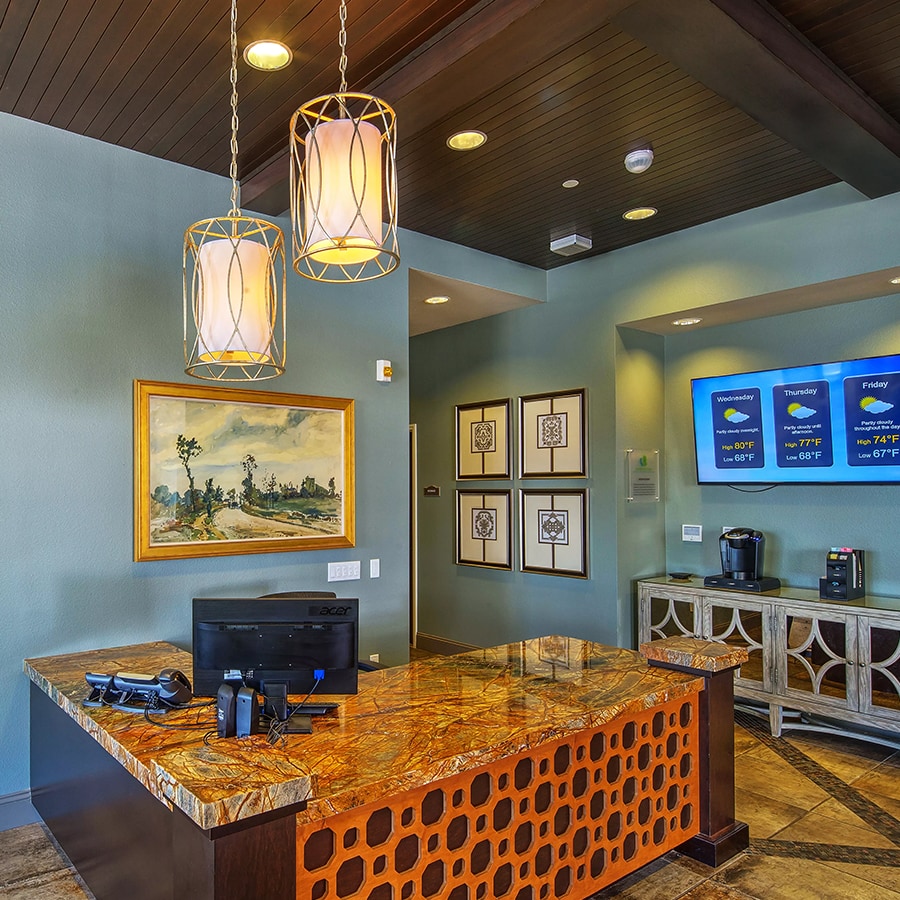
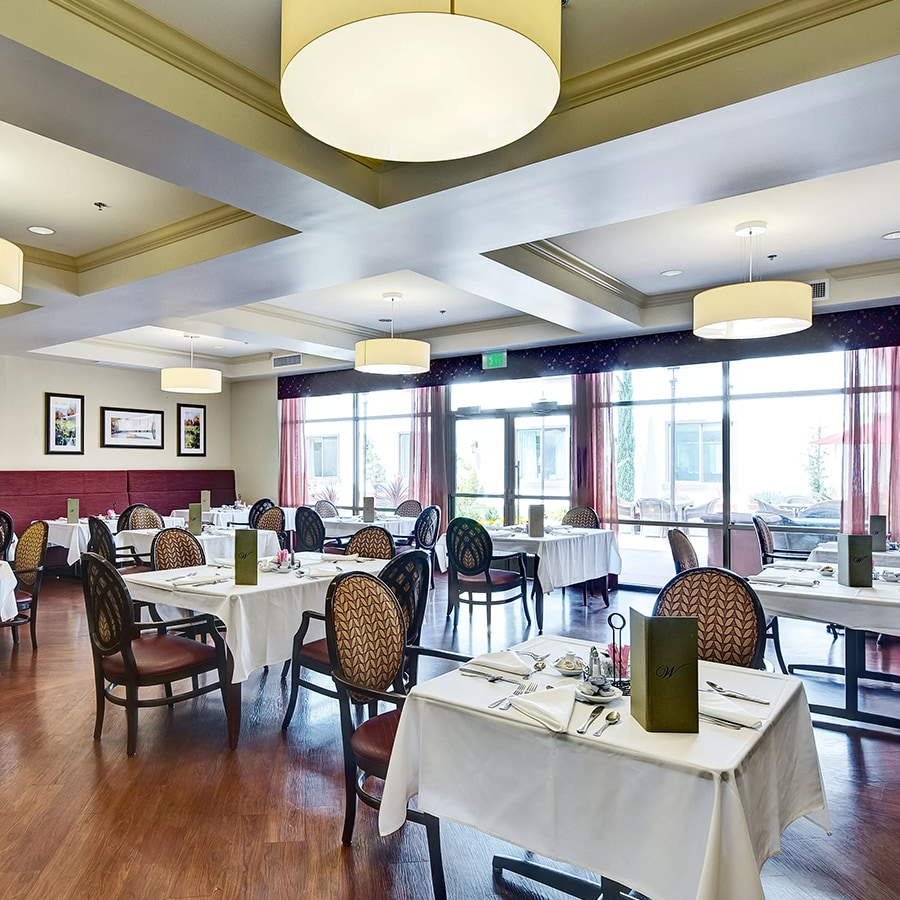
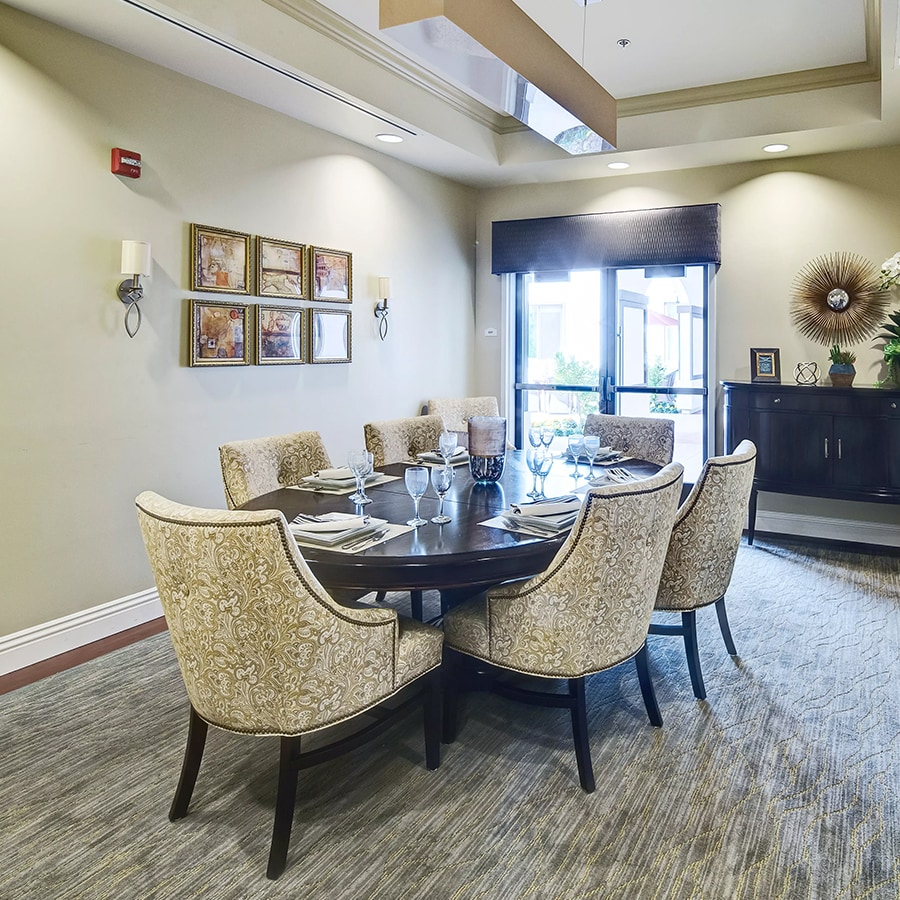
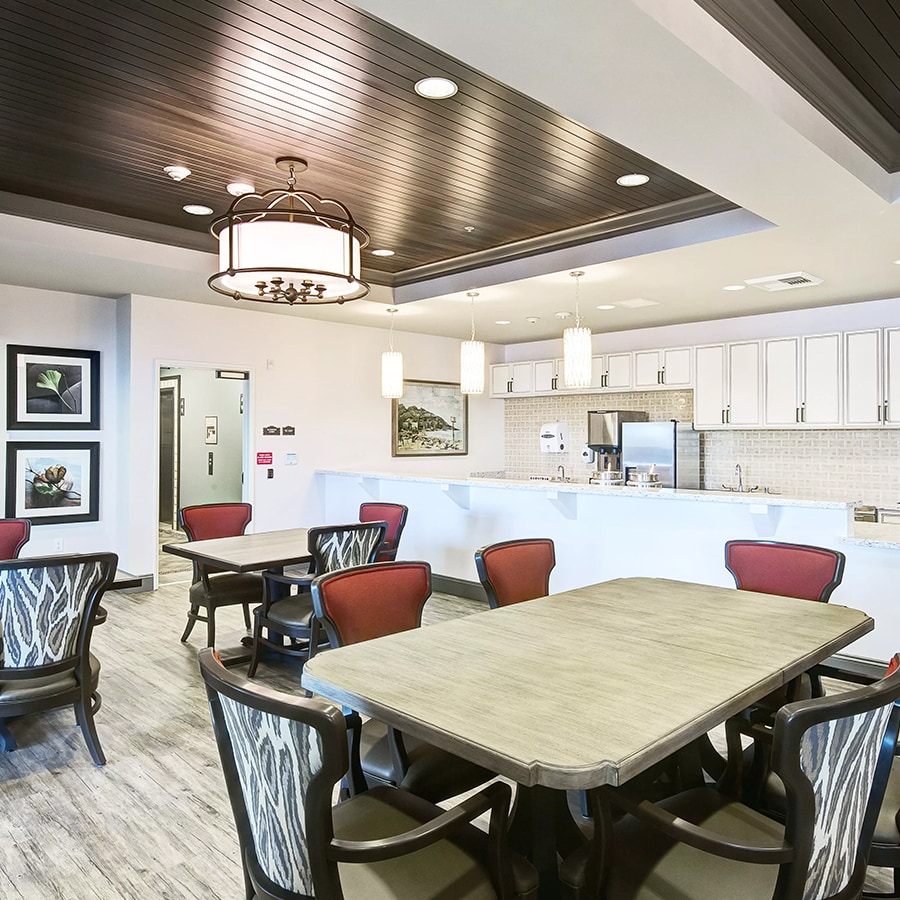
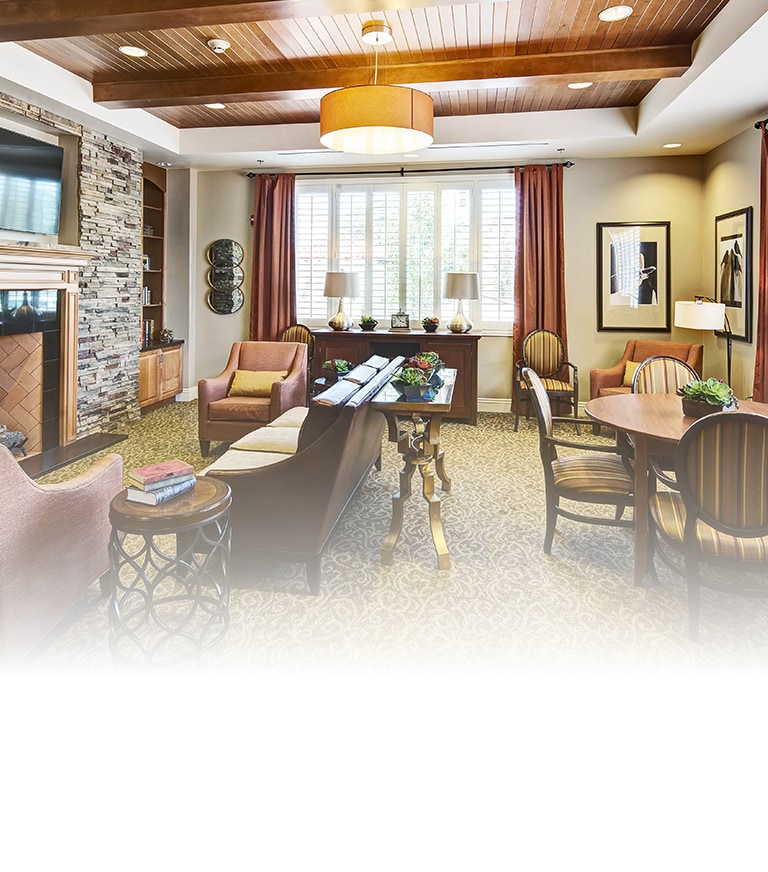
The physical layout of a community speaks volumes about its values. Common areas designed with warmth and variety invite you to linger, start a conversation, or simply enjoy being around others. Thoughtful design can spark friendships that might never happen in a more sterile setting.
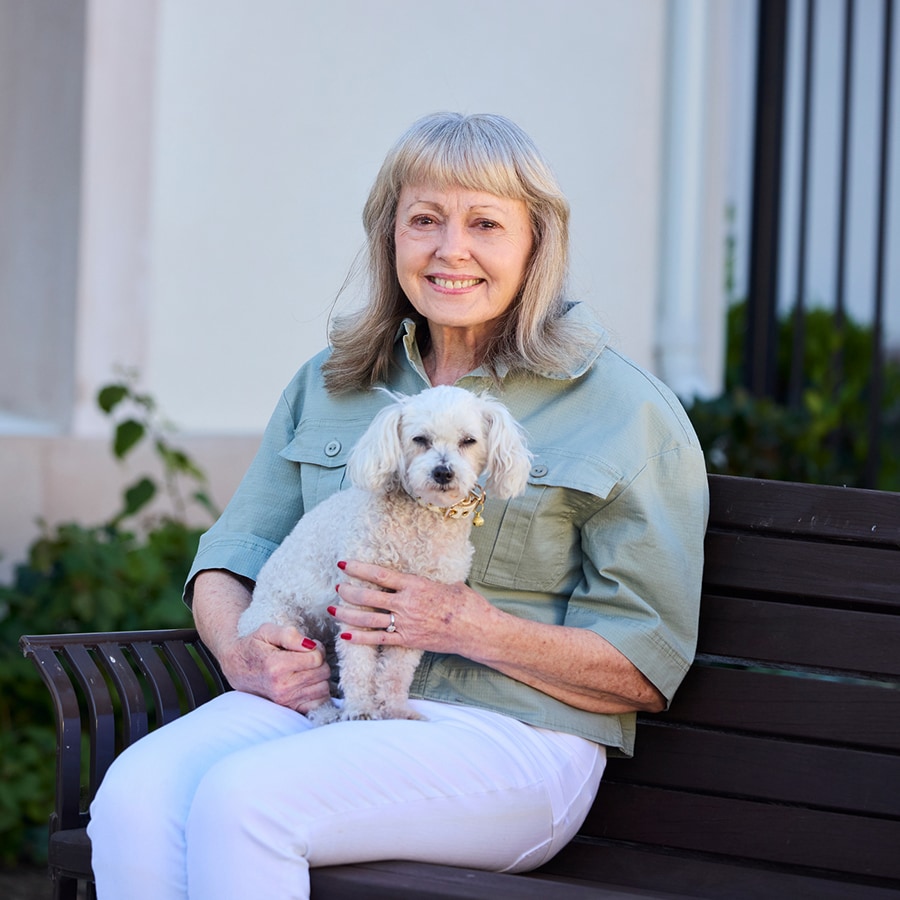
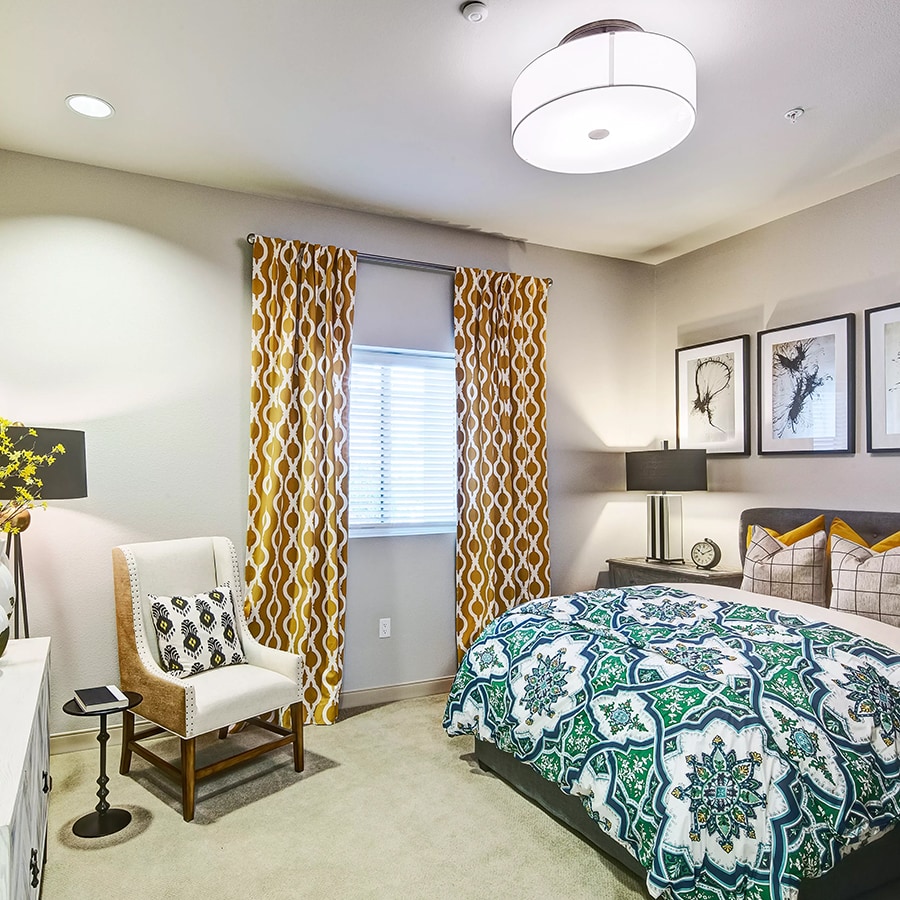
At the same time, your privacy is just as important as your social life. A truly welcoming community respects that you may want quiet time in your own space, and it honors that need without making you feel isolated. Staying socially connected and having personal space are 2 sides of the same coin when it comes to real well-being.
Culture, Identity, and Belonging in Assisted Living and Memory Support
Honoring Each Resident’s Unique Background
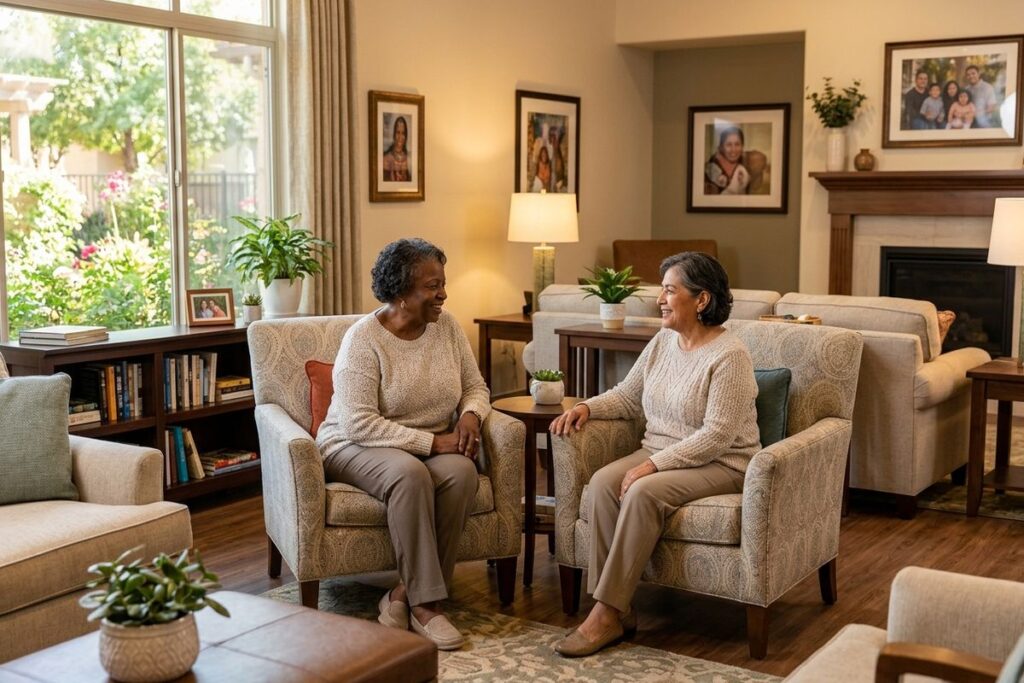
Your background, your traditions, and your values aren’t left at the door when you move into assisted living or memory support. A community that takes inclusion seriously weaves those things into daily life. That might look like culturally familiar dishes at mealtimes, celebrations tied to meaningful holidays, or care plans that reflect your personal routines and beliefs.
This matters especially in memory support, where familiar sights, sounds, and rituals can be deeply comforting. When your personal history is honored, you feel seen in a way that goes beyond care.
Meaningful Activities That Bring People Together
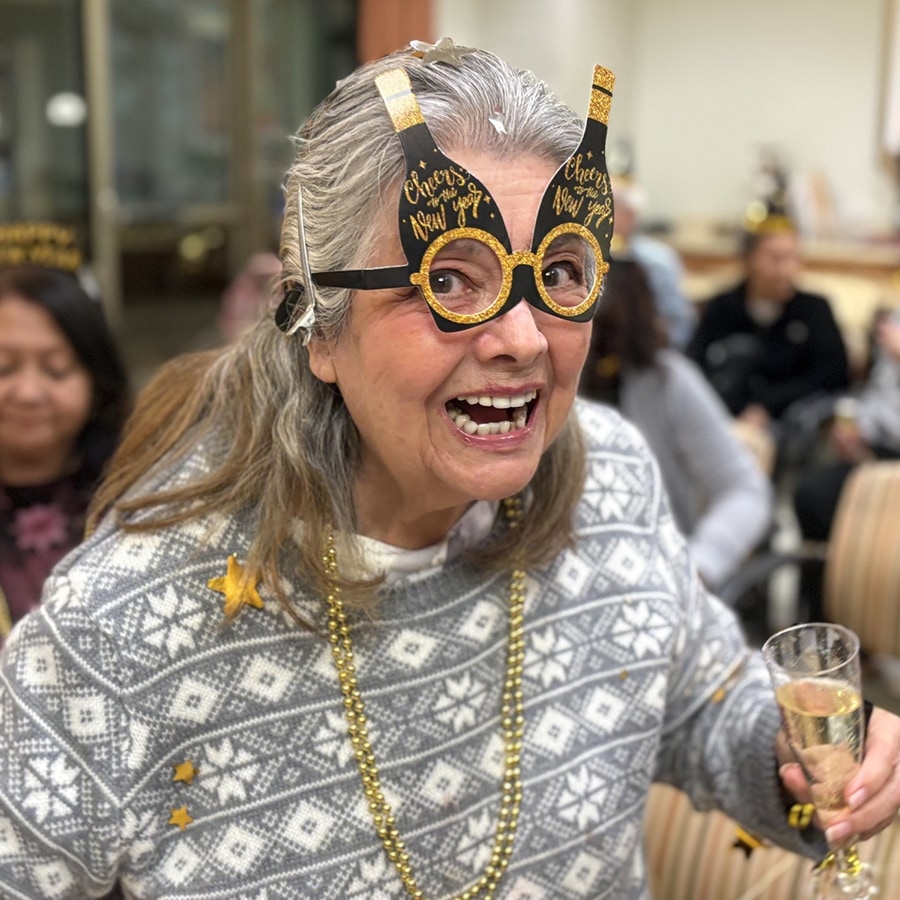
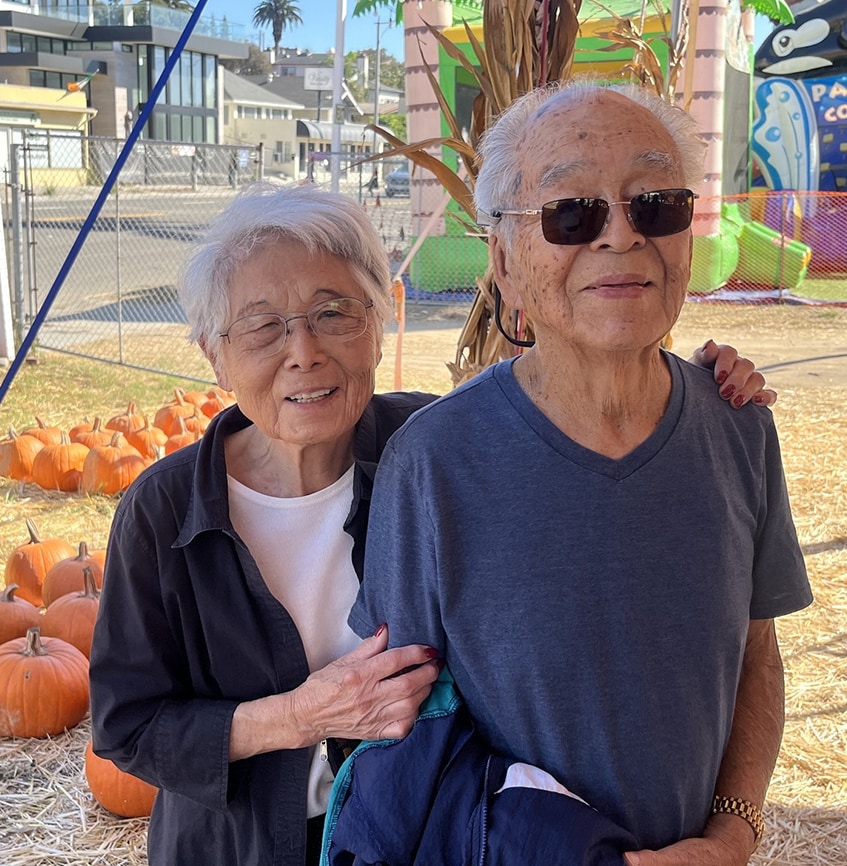
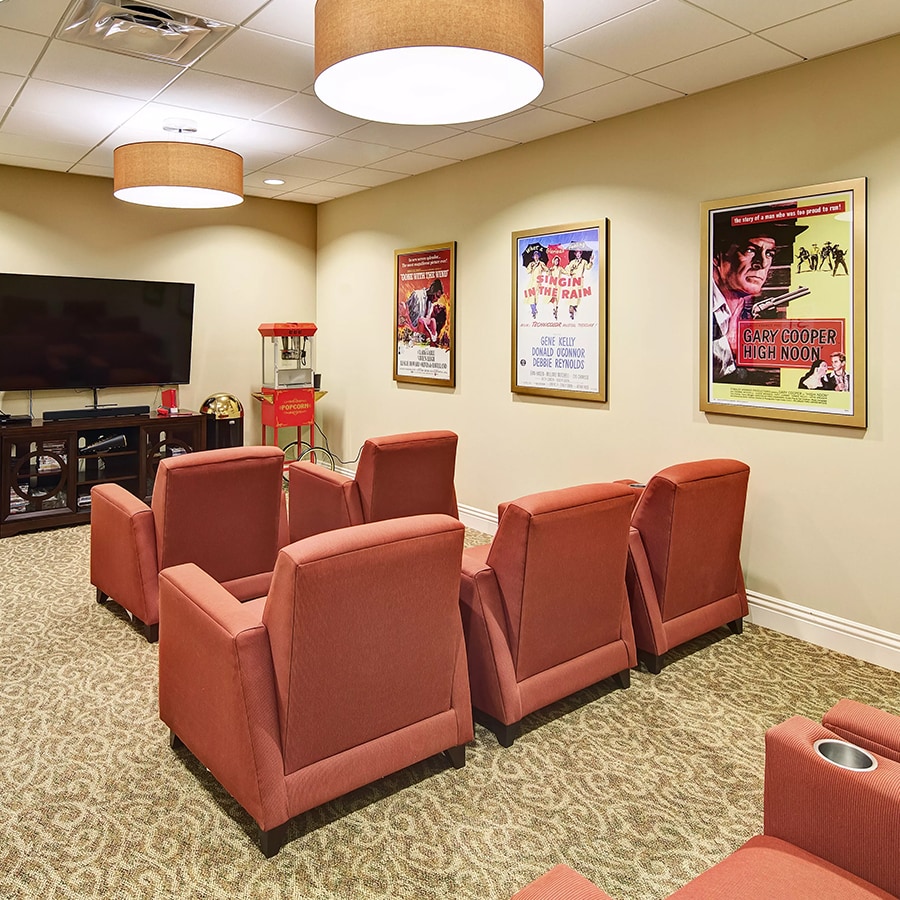
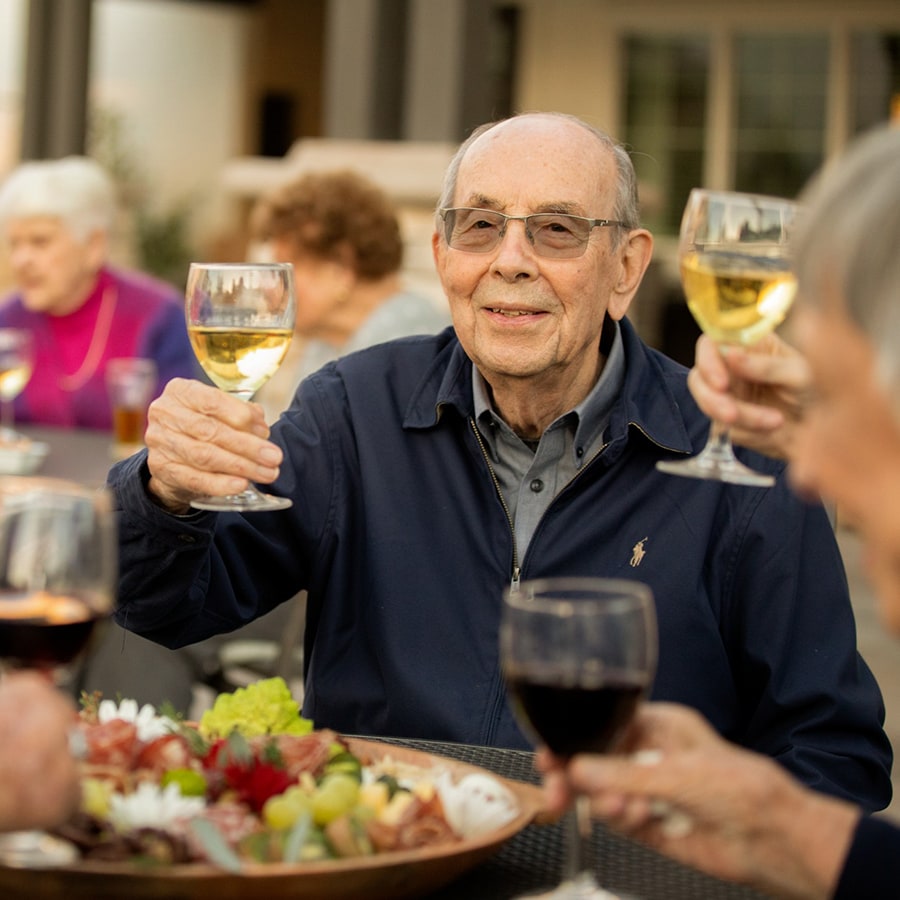
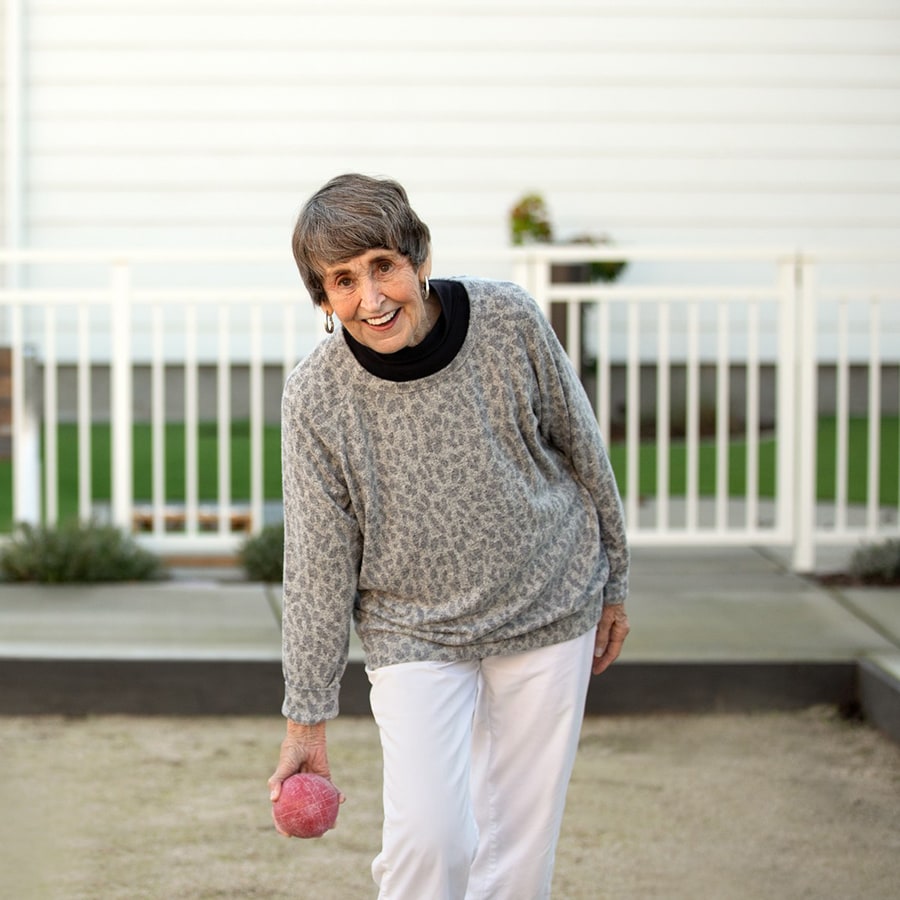
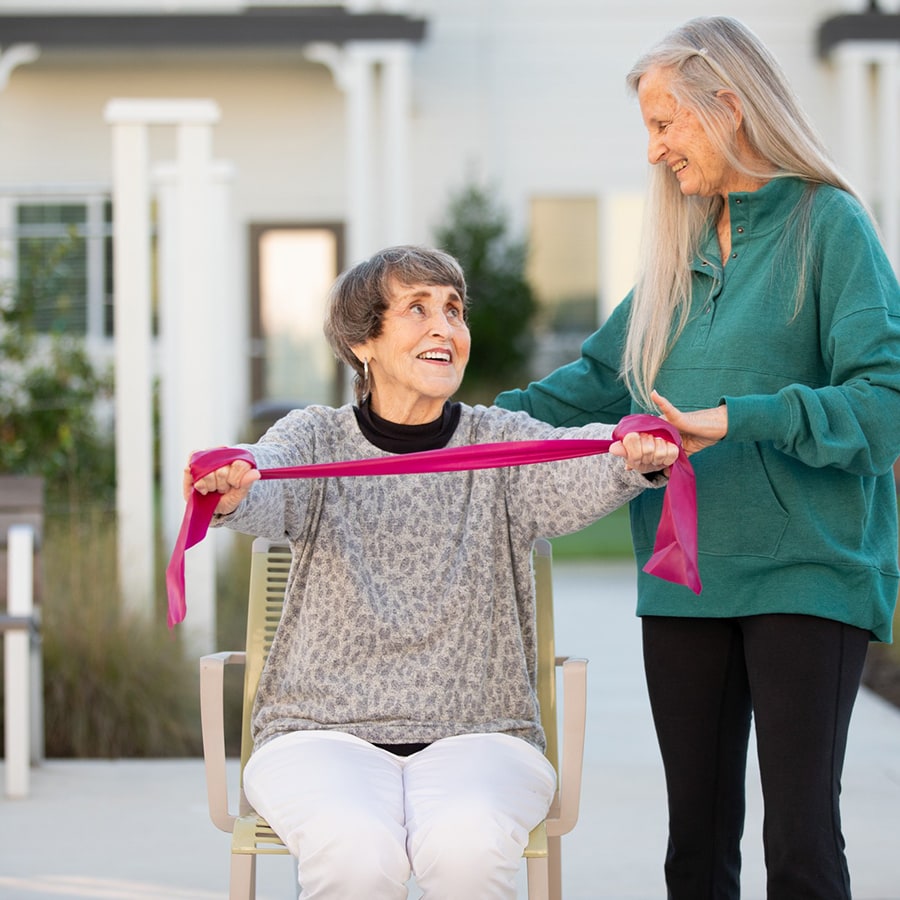
Events and programming in an inclusive community aren’t one-size-fits-all. You might find cultural heritage gatherings, faith-based groups, shared interest clubs, or resident-led storytelling sessions. These aren’t filler activities. They’re opportunities for real connection built around things that matter to you, and staying engaged in meaningful activities has a real impact on overall well-being.
How Team Members Foster a People-First Community
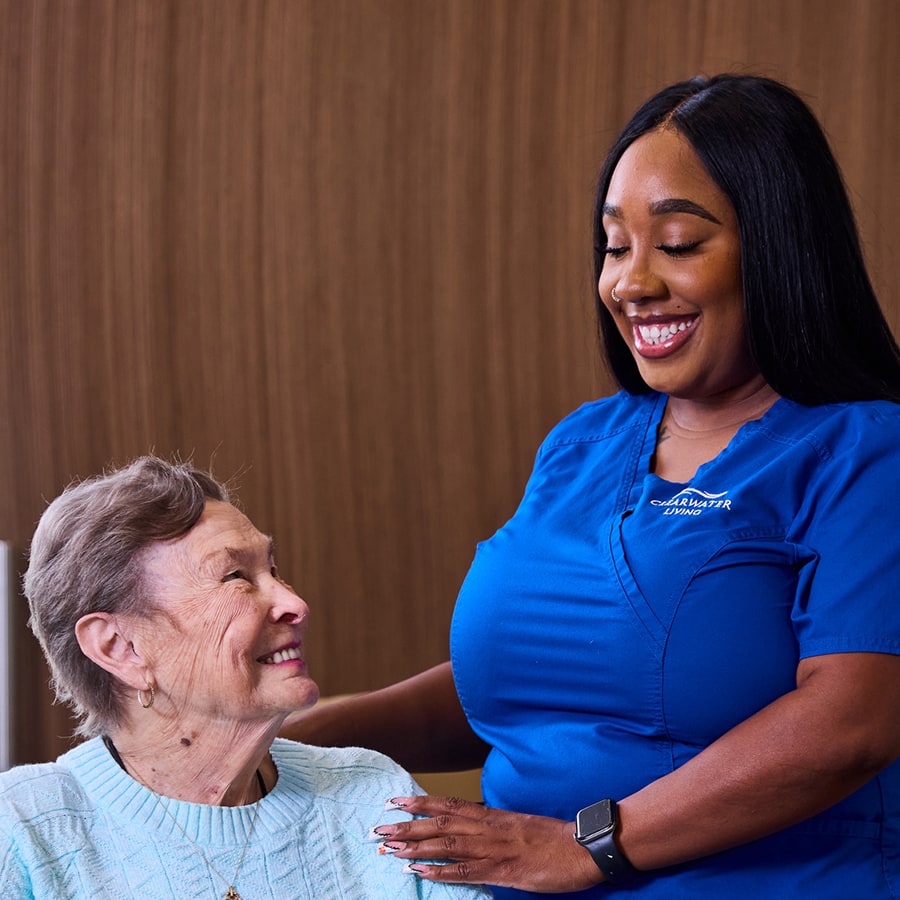
The heart of any welcoming community is its people. Team members who use respectful, dignified language with every resident interaction create an atmosphere where you feel valued, not managed. That tone, set consistently across the community, shapes how residents treat each other too. Beyond care tasks, team members also play an active role in helping you connect with neighbors and find your place in the community.
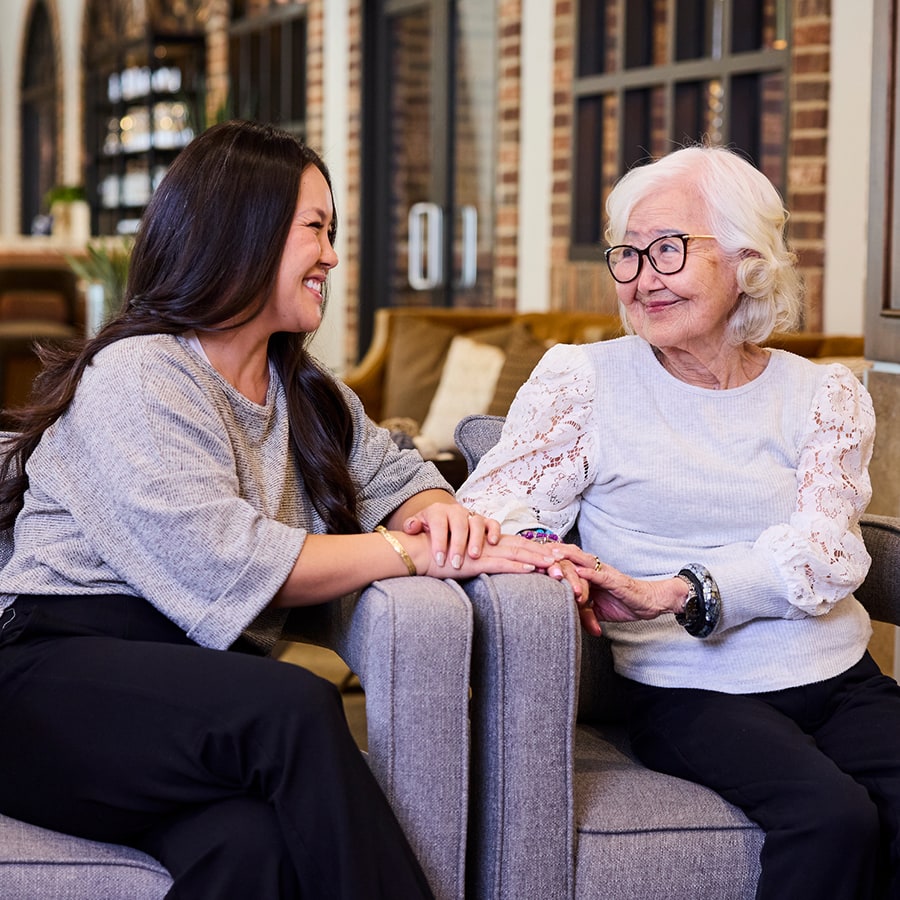
Research shows that deeper social connections are linked to greater happiness, and that human investment makes a real difference in daily life.
What to Look for When Choosing an Inclusive Senior Living Community
Questions Worth Asking on Your Tour
When you visit a community, come prepared with questions that go beyond the amenities list. Ask how the community celebrates diversity and different identities throughout the year. Ask what all-inclusive senior living actually covers, and whether care plans are truly personalized or built from a standard template.
The answers you get, and the ones that come without hesitation, will tell you a lot about a community’s real culture. Browsing the community events calendar before your visit is a great way to get a feel for how active and varied daily life really is.
Signs a Community Truly Walks the Walk
Look for residents from varied backgrounds who seem genuinely at ease and connected. Notice whether team members greet people by name and engage with warmth. Recognition from residents and families is also a meaningful signal that the experience matches the promise.
At Clearwater at South Bay, inclusion is part of how daily life is lived. From personalized care to vibrant programming, the focus is on helping you feel fully at home.
Reach out to our team to ask your questions, schedule a visit, and take a look at our community in person.